GOOD AS NEW
- Music / Film
- zerotome
- Vocal
- 원재경
Production notes
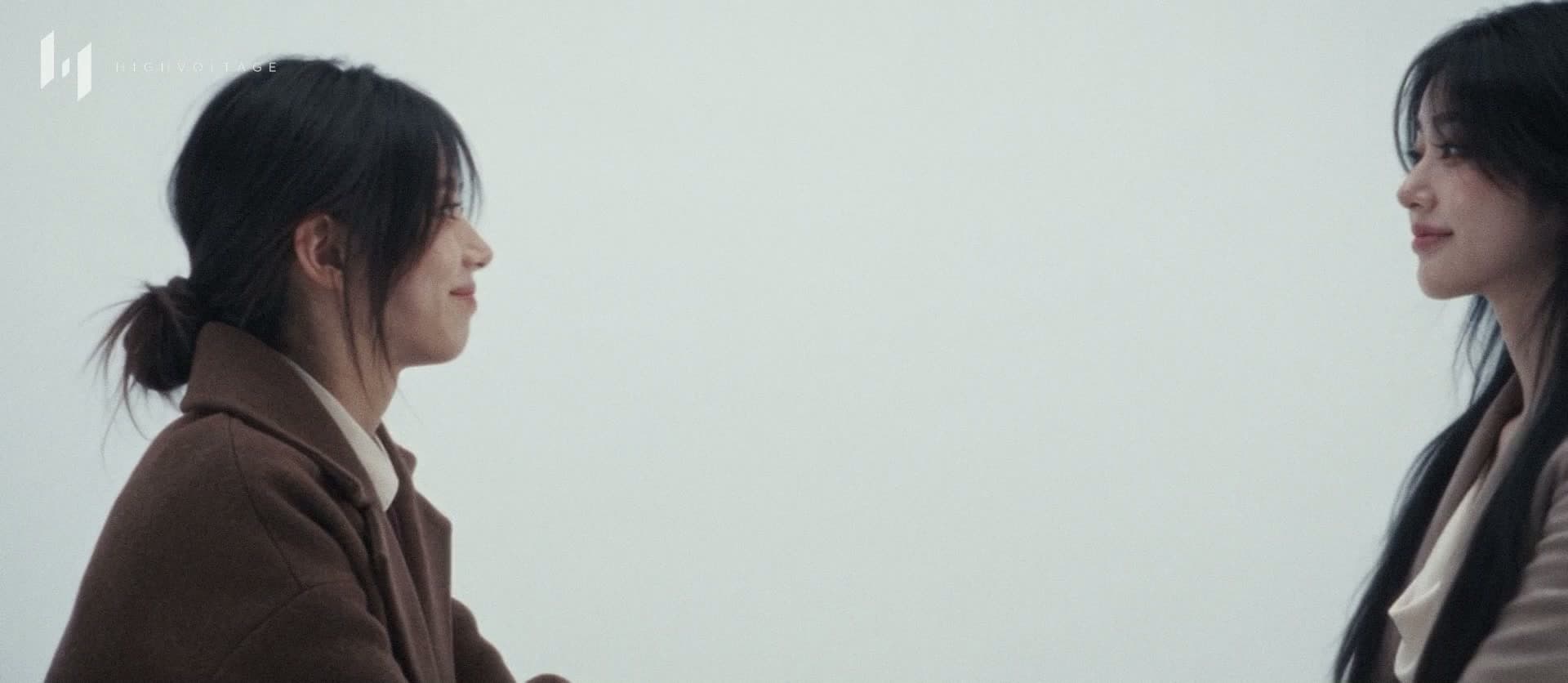
GOOD AS NEW began with small touches that adjust someone else’s posture. Straightening a collar, lowering a shoulder, turning a chin a little. As one person’s posture eases, what weight does another body take on? When the hand is withdrawn, how does that transferred weight remain? Someone in the music, too, is left to deal with the aftermath of something passing through. I wanted to move that sense of dissonance into the space between bodies. The theme that runs alongside the song is “the weight of responsibility passing between people within a relationship.”
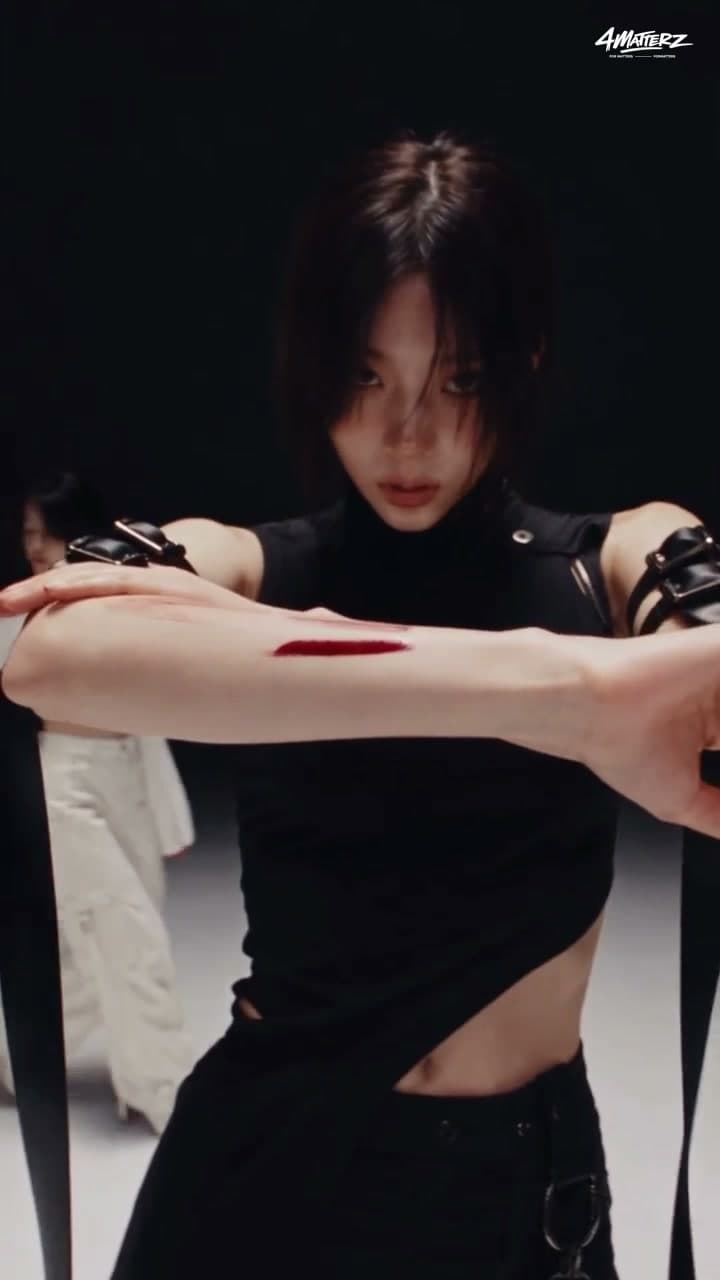
Before the main film, I looked closely at each person and tested movements that might suit them. Shin Nara, Jang Dohee, and Eom Hanna, r2voltz’s friends from Action School. Alongside them, the 4MATTERZ dancers Do Jaehee and Moon Subin. It was a time for reading each person’s character and attitude, and seeing whether the movement I imagined belonged to them. I conceived of Jaehee as a body of straight lines and control, with jazz and groove connecting the spaces between. For Subin, broad curves and power. She makes full use of her strength and sends it far. Nara felt firmly planted on both feet, striking out and throwing in large gestures. Yet there is control in her, too. Like a reluctance to let go. I couldn’t tell you why. I read Dohee as someone with density between her movements and a slow, sustained breath. Hanna has a fine sense of balance, someone who plays with her axis like a spinning top. I saw a trajectory of energy that leans sharply away, then quickly returns to its own equilibrium. The same movement would change depending on whose body it passed through.
Keeping those differences in the ensemble choreography proved quite difficult. Five people doing the same dance must not become five copies. They could share the sequence and the main beats, but individuality had to remain in how they applied and released force, the paths of their arms, and the finish at their fingertips. I even tried specifying timing closely, joint by joint, but this is not the language of the generative model. I learned a great deal in the process. Comparing takes, I shifted toward establishing the larger phrases and the grammar of the dance genre first, then leaving room for individual details to emerge within them.
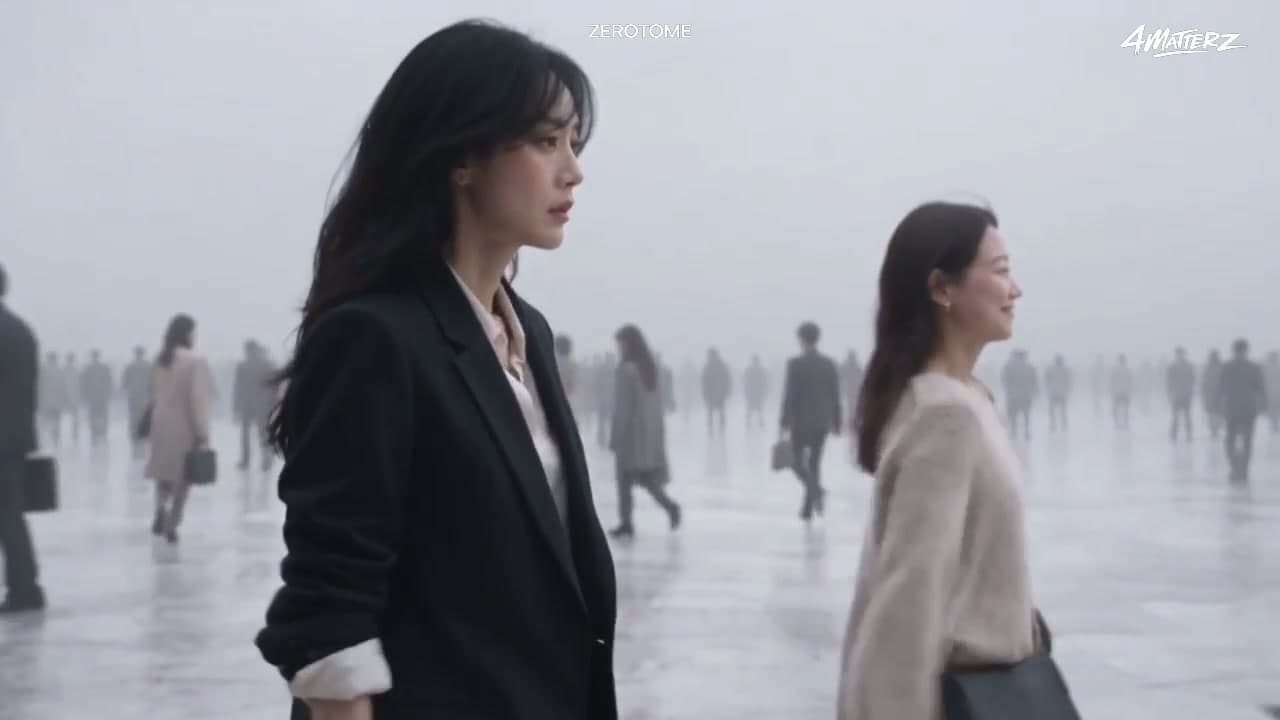
The image has to be monochrome. That is what lets me follow faces and hands, shoulders and clothing, closely as they overlap. I wanted the eye to stay with the distances between bodies and the direction of force. From the feet to the torso, from a turning shoulder to the body behind it. As I designed that flow of attention, I went into the image and came back out again, over and over.
In the edit, I worked quite a lot with playback speed. The moments of gathering force, sending it out, releasing, and moving into the next gesture. Listening to the music, I adjusted cuts and speed, balancing the accents between them. Once the edit was settled, I conformed it against the source footage frame by frame, preserving the almost imperceptibly short dissolves and the end titles. I finished by bringing the slightly different monochrome tones and shadows of each take into line and lowering the volume of the opening narration.
“For matters that matter, we run on high voltage,” which begins over black, folds the names of 4MATTERZ and HIGHVOLTAGE into one sentence. I do love playing with language. In Korean, I rendered it as “중요한 것들을 위해, 우리는 고전압으로 움직인다.” I thoroughly enjoyed making this. Finally, these were the three things I paid particular attention to throughout:
Let each individual be seen. Let the music be heard. And what is possible because there are five.